Our Process: Inspection to Follow-Up
Every job follows the same four steps, whether it is a few ants in the kitchen or mice in the walls. The aim is simple: find the cause, fix it properly the first time, and come back if it does not clear up.
From Inspection to Follow-Up
-
Inspection
We start by finding out exactly what the pest is, where it lives and how it gets in. That means looking inside and out: the kitchen and bathrooms, the basement or crawlspace, the attic when it matters, the foundation, the roofline and the yard. We also look for what drew the pests in, like moisture, food, clutter and wood touching soil.
-
Plan
Before anything is applied, you hear what we found and what we recommend, in plain words and without jargon. If a one-time treatment will do it, that is what we recommend; if an ongoing plan would serve you better, we explain why. The pricing is straightforward, and nothing gets added that you do not need.
-
Treatment
We treat where the pests live and travel, not every surface in the house, and we seal the entry points we can. Our technicians explain what they are doing as they go, where the products are and how long to keep children and pets away from treated spots.
-
Follow-up
Some pests take time to clear: baited ants and cockroaches, mice that still have to find the traps. We tell you what is normal in the days after a visit. If the problem does not clear up the first time, the follow-up visit is included.
Our Standards on Every Visit
These are the rules Finley built the company on, and the reason customers stay with us. Finley still visits job sites regularly to make sure the work meets them.
- We show up when we say we will, and call ahead if anything changes.
- We find the cause before we treat: the species, the source and the way in.
- We explain what we found and what we will use, in plain words, before we start.
- We read and follow the product label every time. The label is the law.
- We treat where the pests are, not every room, and we use the least product that does the job.
- We tell you how to keep children and pets safe and when treated areas can be used again.
- We point out the moisture, gaps and food that brought the pests in, so they do not come back.
- We treat your property like our own, and leave it the way we found it.
Licensing in Ohio: What to Check
Ohio law sets the baseline for anyone who applies pesticides for hire. The Ohio Department of Agriculture licenses pest control businesses and requires them to carry liability insurance. The people who apply the products must either hold a commercial applicator license, which is issued by category after an exam, or work under the direct supervision of someone who does.
Whoever you hire, it is reasonable to ask for the company's license information and who will be doing the work before any treatment starts. A professional company will answer that question without hesitation.
Product Choices: Lower-Impact and Standard Options
Not every job needs a spray. For many indoor problems, baits, traps and sealing do the work with very little product, placed where only the pests can reach it. Other jobs need a residual treatment to get ahead of a heavy infestation. Here is how the two compare.
| Factor | Lower-Impact Options | Standard Options |
|---|---|---|
| Examples | Baits (gel baits in cracks, bait stations), insect growth regulators, traps and monitors, sealing and exclusion | Residual liquid sprays and dusts applied to cracks, wall voids and the outside perimeter |
| Where they go | Exactly where the pests feed or travel, often out of sight and out of reach | On surfaces, in voids and in the soil where pests crawl |
| Speed | Slower: days to weeks, because they work through the whole colony | Faster: knocks down the pests that are there now |
| Good for | Kitchens, homes with children and pets, ants and cockroaches | Heavy infestations, outside barriers, spiders and fall invaders on the walls |
| Trade-offs | Needs patience, and no store-bought sprays near the baits | Leaves a residue on treated surfaces for a while; stay off until dry |
Most jobs use a mix: baits inside where people live, a targeted treatment outside where the pests come from.
On the Job
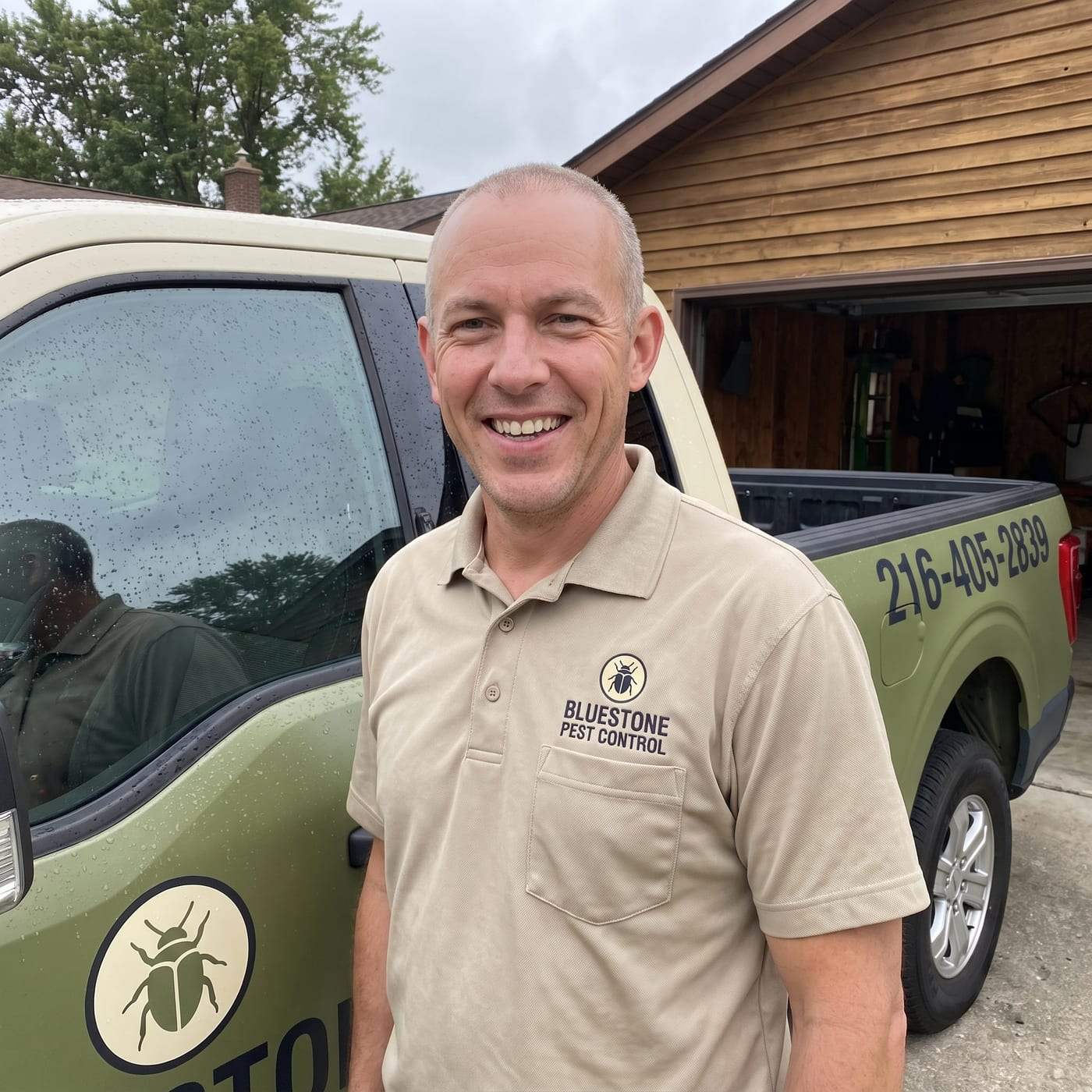
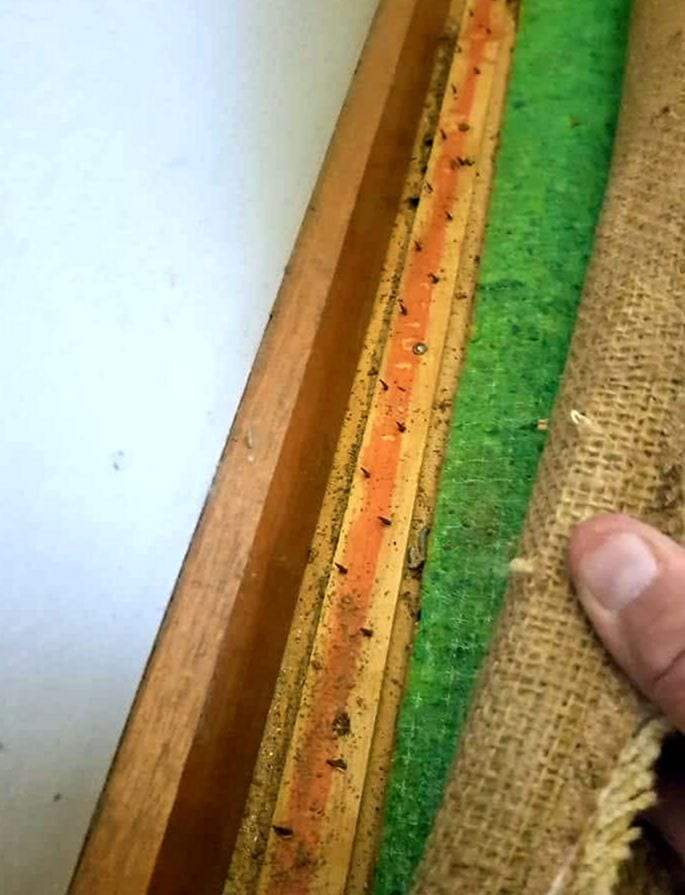
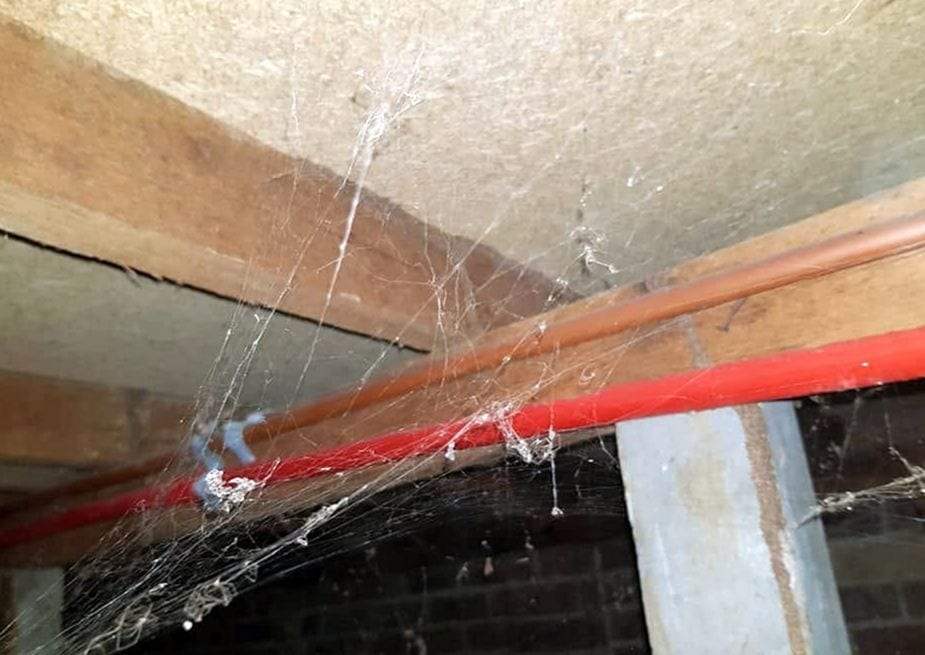
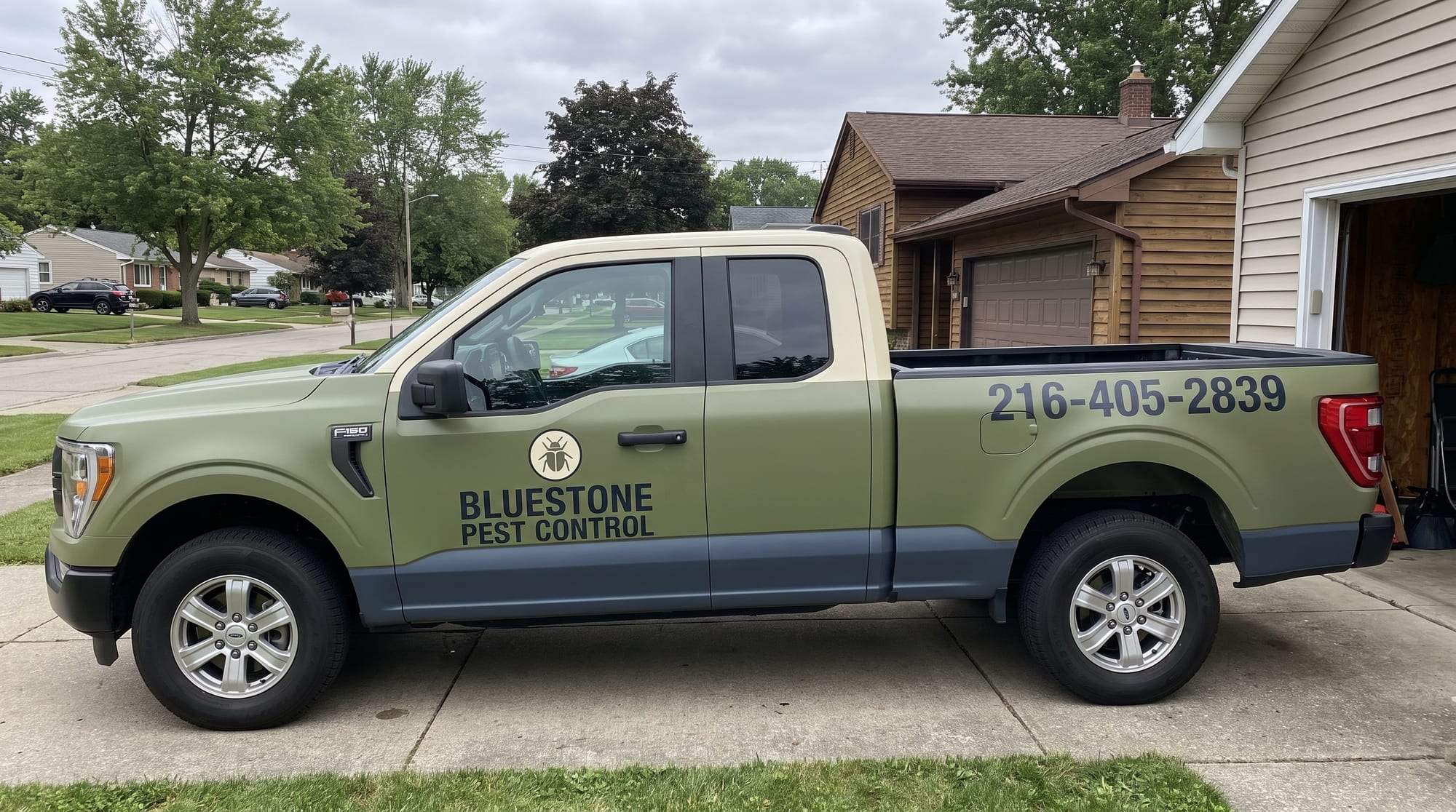
Inspections happen where the pests are: under carpets, in crawlspaces and along the outside of the house.
Pet and Child Safety Questions
Is the treatment safe for my pets and children?
Every product is used exactly as its label directs, and the label is written for that question. In practice: keep children and pets out of treated areas until the product has dried, which the technician will tell you about before leaving; baits go in cracks, behind appliances or in tamper-resistant stations; and we tell you what was applied and where. If anyone in the house has asthma or chemical sensitivities, tell us when you book, so we can plan around it.
Do we have to leave the house during treatment?
For most indoor treatments, no. You stay out of the rooms being treated until they are dry, and the rest of the house is yours. If a job needs you out for a while, you will know when you book, not on the day.
What about fish tanks, birds and reptiles?
Tell us about them. Fish and pet birds are much more sensitive than cats and dogs. We usually ask you to cover the tank and turn off its air pump during treatment, and to move birds and reptiles to a room we are not treating.
Can you use only lower-impact products?
Often, yes, especially for ants and cockroaches, where baits work well. We will be honest when a lower-impact approach will be slower, or when a problem needs something stronger to clear up, and you decide.
Ready to book an inspection?
Same-week appointments are standard. Call us or send a request.