
Pest Control Services
Everything we treat in one place: how to recognize each pest, how often it usually needs treatment and when it peaks around Euclid. Use it to find the right service, or call and tell us what you are seeing.
Pests We Treat at a Glance
The pests below cover almost every call we get in Euclid. Treatment frequency is what a typical job needs; the inspection tells us what yours needs. Peak seasons follow our lake climate: the lake keeps spring cool along the shore and holds off the first frost in the fall.
| Pest Type | Common Signs | Typical Treatment Frequency | Peak Season |
|---|---|---|---|
| Ants (odorous house, pavement) | Trails along counters, sinks and baseboards; little piles of soil at slab and floor cracks | One treatment with baits, and a follow-up if trails come back | April to August, often right after rain |
| Carpenter ants | Large black ants indoors, sawdust-like frass under trim, winged ants at windows in spring | Treatment of the nest and the damp wood around it; sometimes a second visit | April to July |
| Cockroaches | Insects that scatter when the light comes on, pepper-like droppings in cabinets, a musty smell | Two or more visits a few weeks apart while baits work through the population | All year indoors; worst in humid summers |
| Spiders | Webs at eaves, windows, porch lights and basement corners | Perimeter treatment and web removal; seasonal visits in an ongoing plan | July to October |
| Mice and rats | Droppings, chewed packaging, scratching in walls at night, greasy rub marks | Trapping over a few visits, then sealing the entry points | October to March |
| Wasps, hornets, yellowjackets | Insects flying in and out of a gap, a paper nest under an eave or in a shrub, a hole in the lawn | One visit per nest | July to September |
| Stink bugs, boxelder bugs | Clusters on sunny south and west walls, bugs indoors on warm winter days | Exterior treatment and sealing before they move in | Move in September to October, out in March and April |
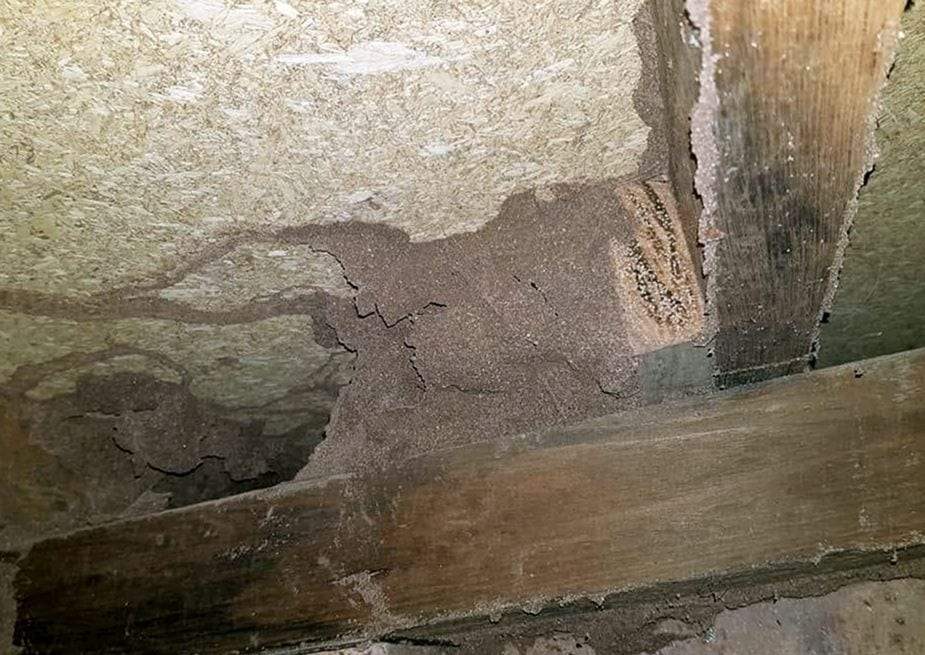
| Termites | Mud tubes on the foundation, winged swarmers indoors, wood that sounds hollow | Inspection, then a liquid barrier or bait stations with monitoring | Swarms March to June; active all year |
| Mosquitoes and ticks | Bites in the yard at dusk, ticks after walks near the ravines | Barrier treatments repeated through the season | Mosquitoes May to September; ticks spring and fall |
| Raccoons, squirrels, bats | Noises in the attic, torn vents, droppings below a gap at the roofline | One removal or exclusion job, then the repairs | Spring (young in the attic) and fall |
What Shapes the Work on Your Property
We do not list prices online, because two houses with the same pest can need very different work. Four things make most of the difference: how big the problem is, how old the building is, how many ways in there are and what kind of service you want. The explainer below shows how each one affects your job.
What Shapes Your Job: Cost-Factor Explainer
Pick what fits your situation. You will see which factors make the work lighter or bigger, and why. There are no prices here: every property is different, and you hear the price after the inspection, before anything is applied.
Your explanation will appear here.
An old block foundation with open mortar joints, an attached garage with a worn door seal and a crawlspace vent without a screen can turn a simple mouse job into a sealing job. A newer, tight house with a few ants on the counter is usually one visit. The inspection settles it.
Our Six Main Services
-
Ant Control
Odorous house ants and pavement ants trailing into kitchens, and carpenter ants in damp wood near the lake.
- Species identified first
- Baits that reach the colony
- Carpenter ant nests in damp wood
-
Rodent Control
Mice and rats moving indoors once it gets cold: we find how they get in, trap them and seal the gaps.
- Entry points found and sealed
- Trapping inside the house
- Safe cleanup advice
-
Termite Control
Termite inspections for buyers and sellers, and treatment for subterranean termites in Northeast Ohio homes.
- Inspections for home sales
- Liquid barrier or bait stations
- Swarmer identification
-
Mosquito & Tick Control
Less mosquito and tick pressure in yards near standing water, tall grass and the wooded Euclid Creek ravines.
- Yard risk check
- Barrier treatments in season
- Tick zones along the edges
-
Wildlife Removal
Raccoons, squirrels and bats in attics and chimneys: humane removal, exclusion and the repairs that keep them out.
- Raccoons, squirrels, bats
- One-way exclusion
- Chimney caps and vent covers
-
Commercial Pest Control
Restaurants, apartment buildings, warehouses and shops: scheduled service with records you can show an inspector.
- Scheduled visits
- Records for inspections
- Restaurants and apartments
Cockroaches, Spiders, Wasps and Stink Bugs
These are some of our most common calls. They do not have their own pages, so here is how we handle each one.
Cockroaches
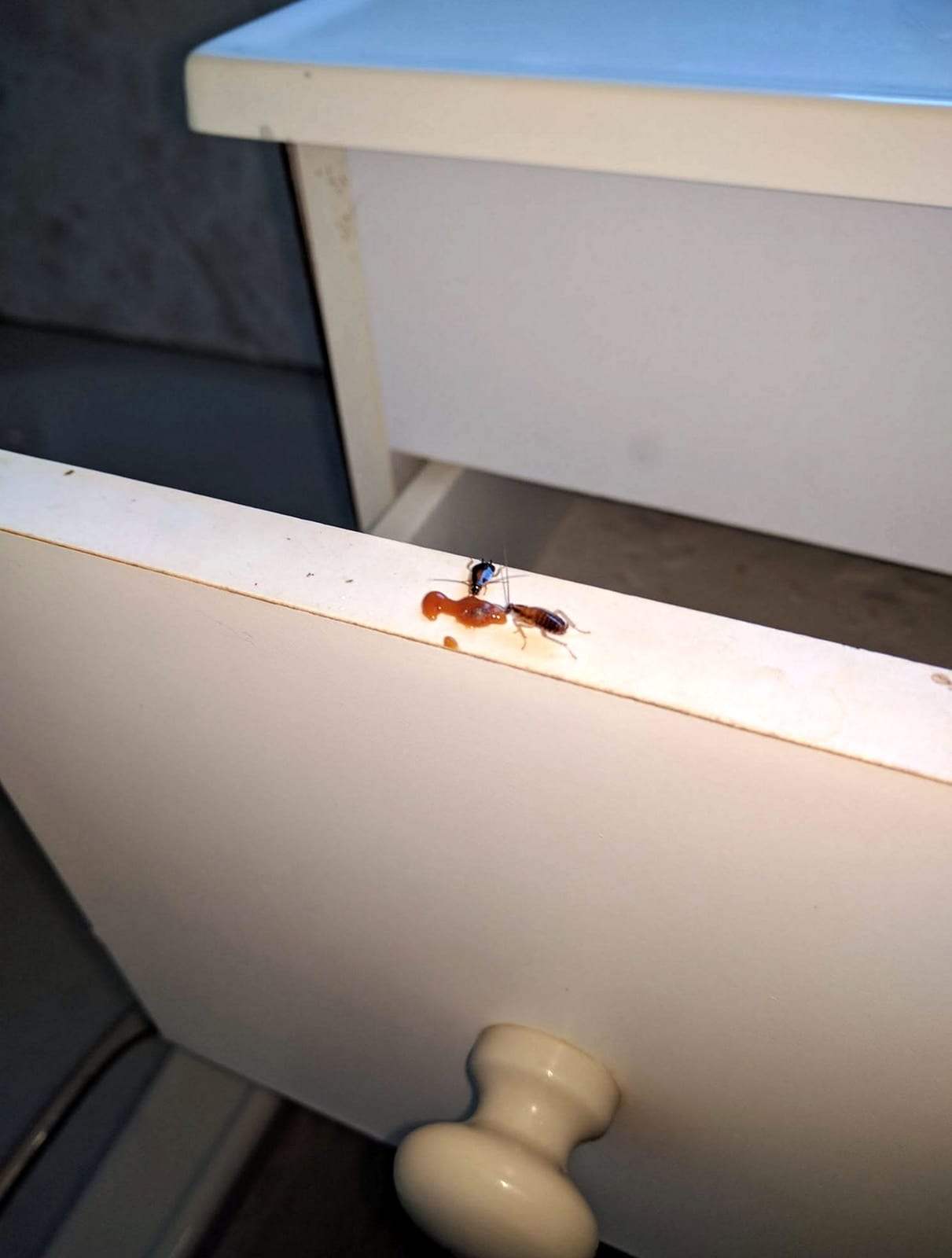
German cockroaches, the small tan ones with two dark stripes behind the head, live in kitchens and bathrooms and breed all year indoors. We place gel baits in the cracks and hinges where they hide, use growth regulators to stop the young from maturing, and check back in a few weeks. Please skip the foggers: bug bombs scatter cockroaches deeper into the walls and make baiting slower. Larger American and oriental cockroaches usually come from drains and damp basements, so sealing and drying out matter as much as treatment.
Spiders
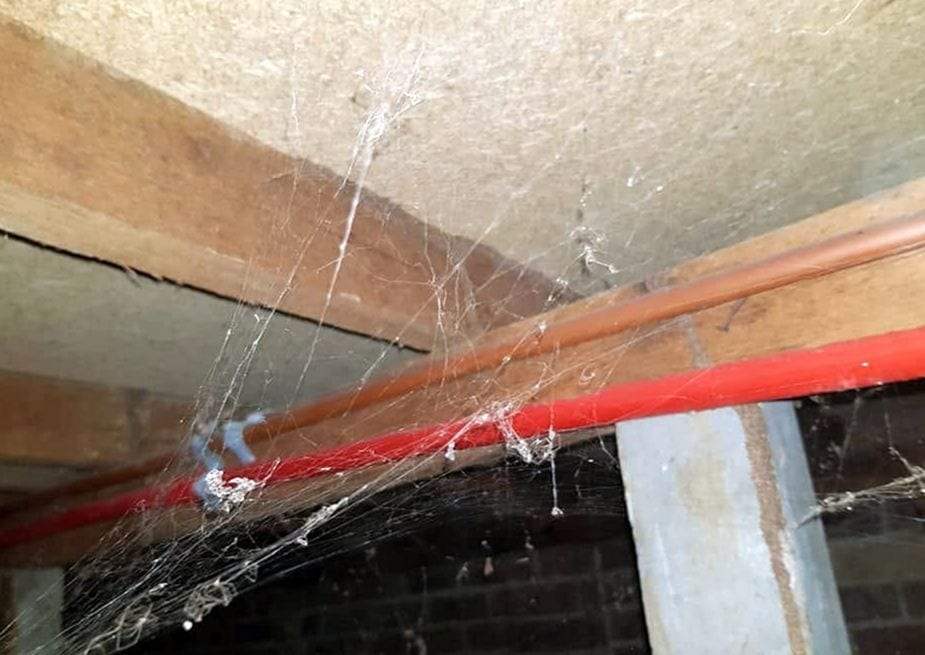
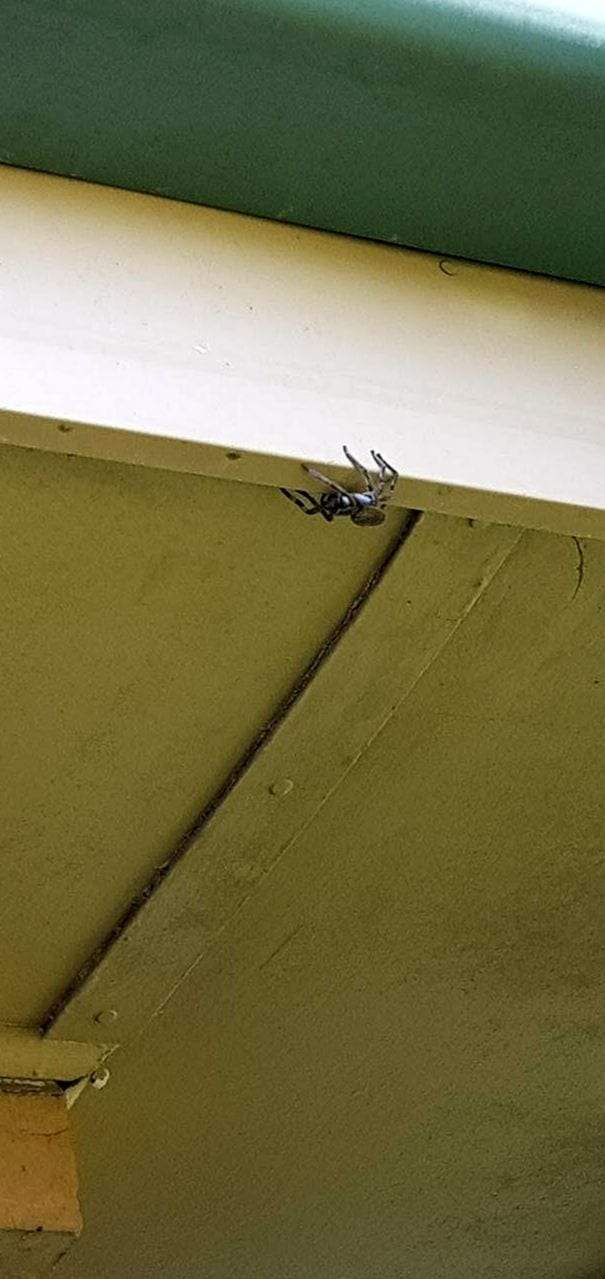
Most spiders around Euclid homes are harmless house spiders, cellar spiders and orb weavers. They go where the food is: porch lights, eaves and windows on the lake side of the house, where midges and moths gather. We knock down webs and egg sacs, treat the perimeter and the places they shelter, and tell you which lights and damp spots keep feeding them.
Wasps, hornets, yellowjackets and bees
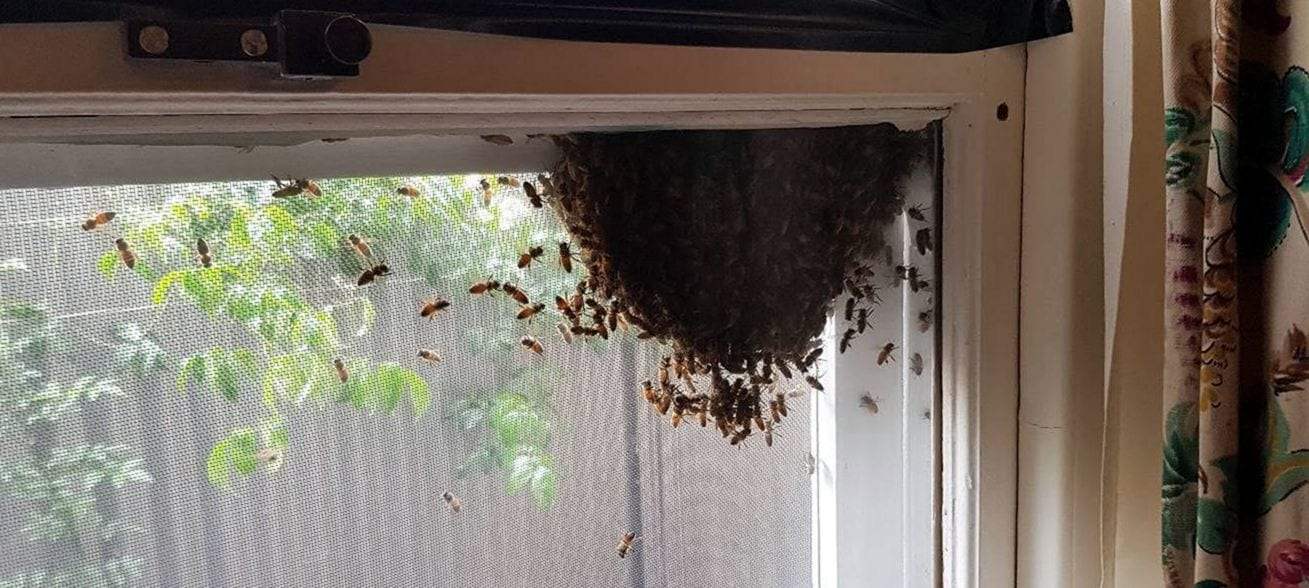
Stinging insects are urgent: emergency calls for them usually get a response within 24 hours. Paper wasps nest under eaves and railings, yellowjackets in the ground and inside wall voids, and bald-faced hornets in large gray nests in trees and shrubs. Do not plug the hole of a nest in a wall, because the wasps will chew their way inside. A honey bee swarm hanging in a cluster is a different case: keep away from it, and call us before anyone sprays it, so we can talk through the options.
Stink bugs and boxelder bugs
In September and October, brown marmorated stink bugs, boxelder bugs and lady beetles gather on warm south and west walls and slip into gaps to spend the winter inside the walls. They do not bite or damage the house, but they smell and stain. The answer is timing: seal the gaps and treat the outside of the house in late summer, before they move in. Our seasonal pest guide has a pre-winter sealing checklist.
From Our Job Photos
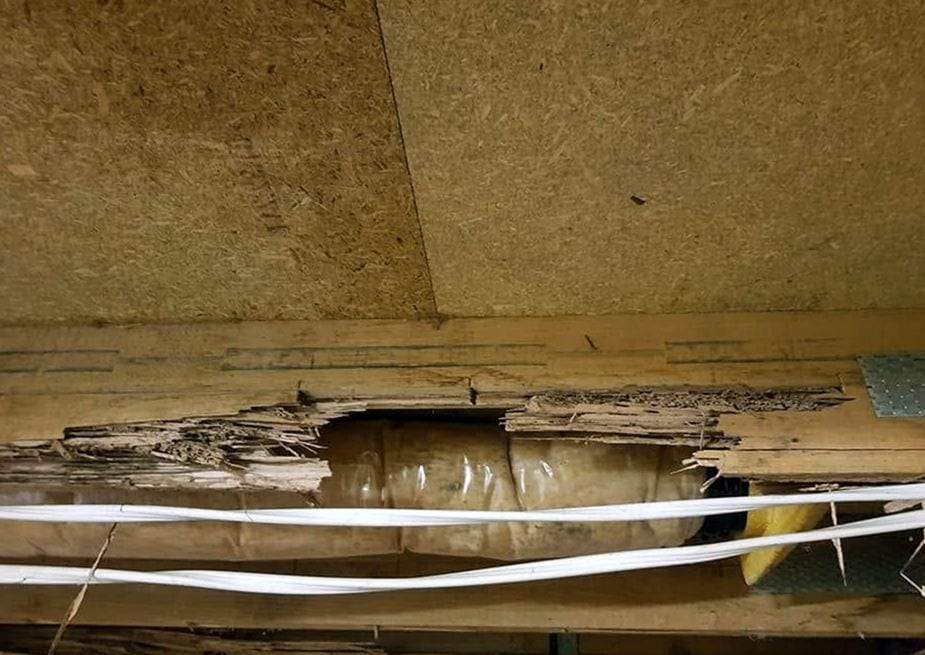
What these pests leave behind, as we find it on inspections: termite damage, mud and webs under floors, a swarm, a spider and cockroaches at a bait placement.
Service Plans and Contracts
What is the difference between a one-time treatment and an ongoing plan?
A one-time treatment deals with one problem: we inspect, treat, seal what we can and, if the problem does not clear up the first time, come back for the follow-up visit at no extra charge. An ongoing plan is a schedule of visits through the year that keeps seasonal pests from settling in: ants in spring, spiders and wasps in summer, stink bugs and mice in the fall.
Do I need an ongoing plan?
Not necessarily, and we will not push one. A plan makes sense for a house that gets the same pests every year, an older home with many ways in, or a business that needs records for an inspector. If one treatment and a few repairs will do the job, that is what we will recommend.
Is the follow-up visit extra?
No. Follow-up visits are included when a pest problem does not clear up the first time. The technician will tell you what is normal to see in the days after a treatment (baited ants and cockroaches, for example, take a little time to disappear) and when to call us back.
Can you give me a price over the phone?
We can talk the job through on the phone and tell you what usually drives the work. For most jobs we need to see the property, because the size of the problem and the way pests get in make the biggest difference. Our pricing is straightforward: you hear the price before anything is applied, and a written estimate is what counts.
Do you sign long contracts?
Before you agree to an ongoing plan, we go over the visit schedule, what each visit covers and what it costs, so there are no surprises. Ask any question you like; we would rather you understand the plan than sign something you do not need.
Questions we have not covered? Call (216) 405-2839. Same-week appointments are standard.
Not sure which service you need?
Describe what you are seeing and we will tell you what it most likely is and what it takes.